—The Discourse
The axes
—Presence
—The collective
—The passage
RONDE
WAV is a luminous device that only exists through presence.
A microphone captures the environment; only a sonic event makes it appear. The viewer whispers — light briefly emerges. They shout — it accelerates. Silence does not bring it back to black: it brings it back to the hour — a low glow that takes on the tint of the sky at that moment.
The common through sound
Sound is the medium of sharing par excellence — sometimes imposed, as in a city. It crosses walls, synchronises beings beyond sight, constitutes a common space before any decision to share it. What WAV gives form to is this collective matter already present — the voice of a room, the murmur of a street, the breath of an audience. Sound resonates in space — dispersive, collective. But it reverberates differently in each person, carving distinct interiors from the same wave. WAV does not emit: it gives visible form to what everyone already hears, and what each receives alone.
The collective
The artwork is a liquefaction of the wall — reacting to shared sounds, it makes visible what the body traverses in the collective: that the I does not precede the we, that it loses itself there. What WAV captures is this moment of necessary confusion: not the crowd aggregating, but the erasure that allows something to appear.
The figure of passage
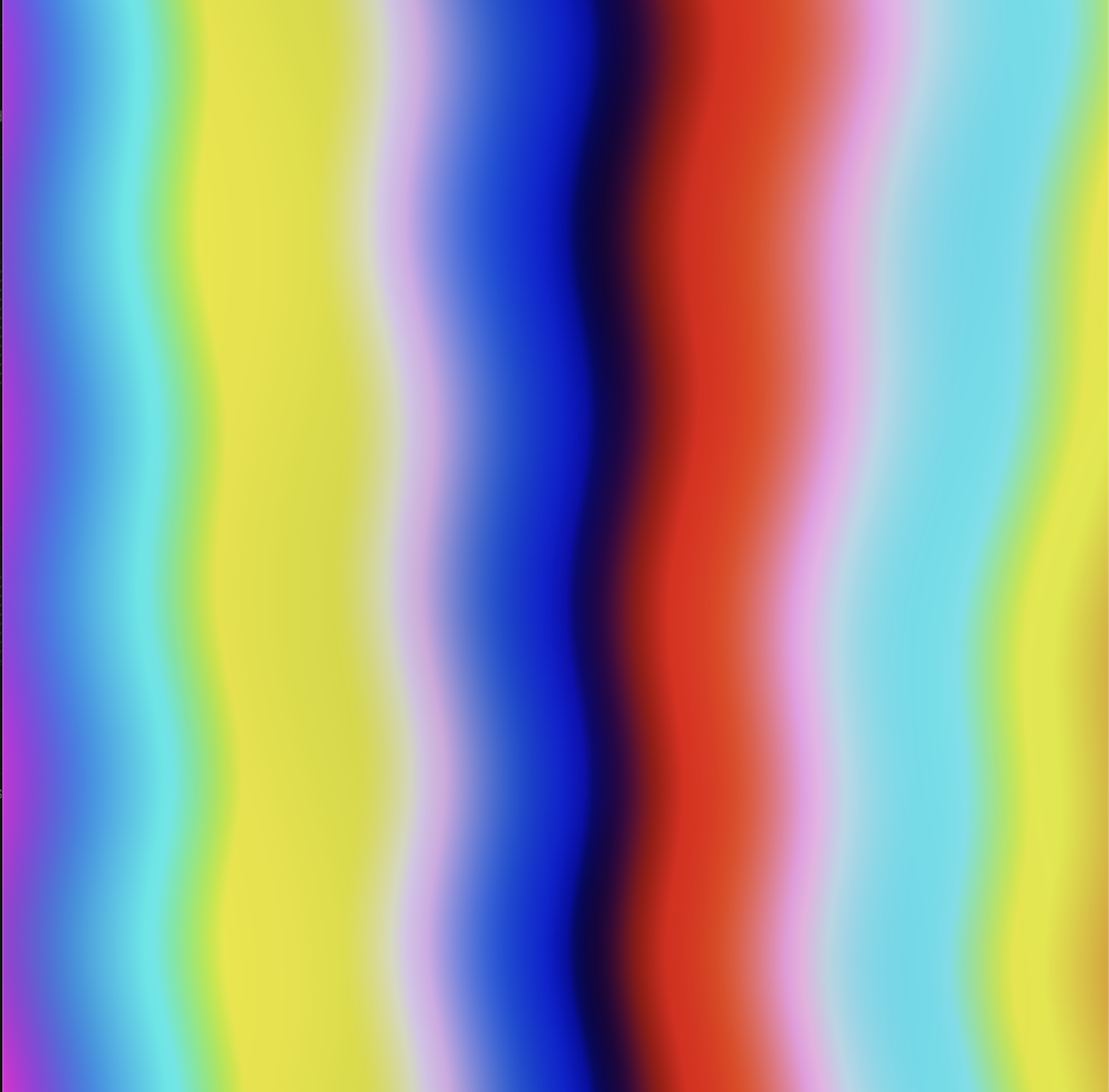
The form this light takes is that of a passage. The rainbow is its figure — not as symbol, but as structure: an event without substance of its own, which signifies the threshold between two states. WAV renders sound in this form because sound is itself passage: it crosses walls, bodies, moods — not accumulated time, but the instant accomplished all at once, vertical. Here and elsewhere, at the same time.
00The Timeline
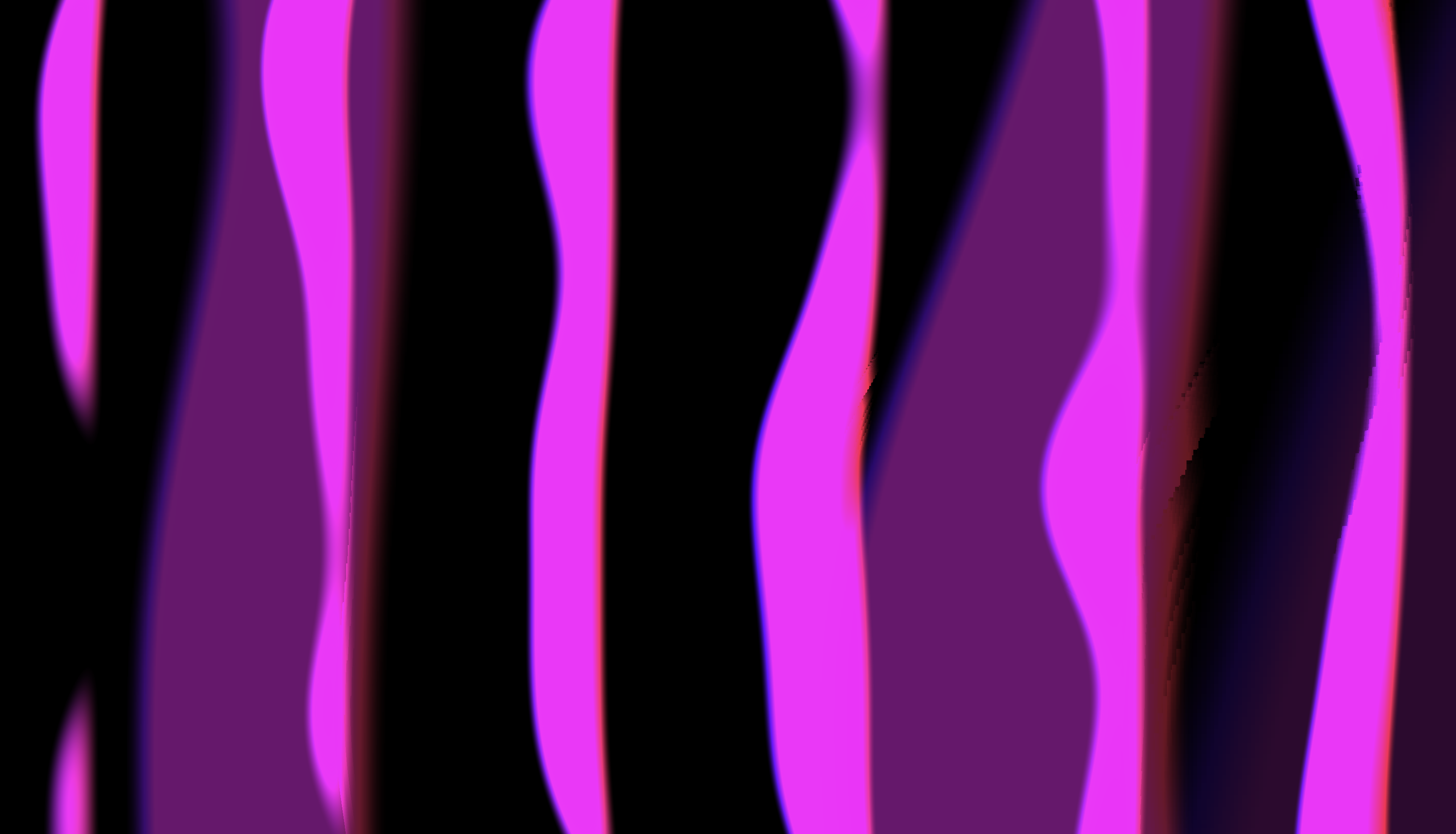
WAV is a luminous device that only exists in the presence of sound. A microphone captures the environment; only a sonic event makes it appear. What WAV gives form to are the shared sounds of a place — the collective voice of a room, the murmur of a street, the breath of an audience.
01 — The WaveThe sonic event
Sound exists — collective, shared, already present. WAV does not emit: it waits. Only a sonic event makes it appear.
02 — The VibrationThe device translated
Sound enters the artwork. It emerges as light — matter put into vibration. Spectrum to spectrum, without symbolic detour.
03 — The RapportPerception
The work meets a body, a gaze. The environment becomes co-author. The artwork stands between sound and its listener — every sound becomes light.
04 — The PassageThe traversed state
The chromatic grammar acts on the body. Low = warmth. High = cold. The viewer's state is traversed — they pass from one side to the other.
05 — The CaptureThe invitation to performance
The viewer seizes the instant — live, in print, in presence. By capturing, they become its author.
02The Vibration — WAV Series
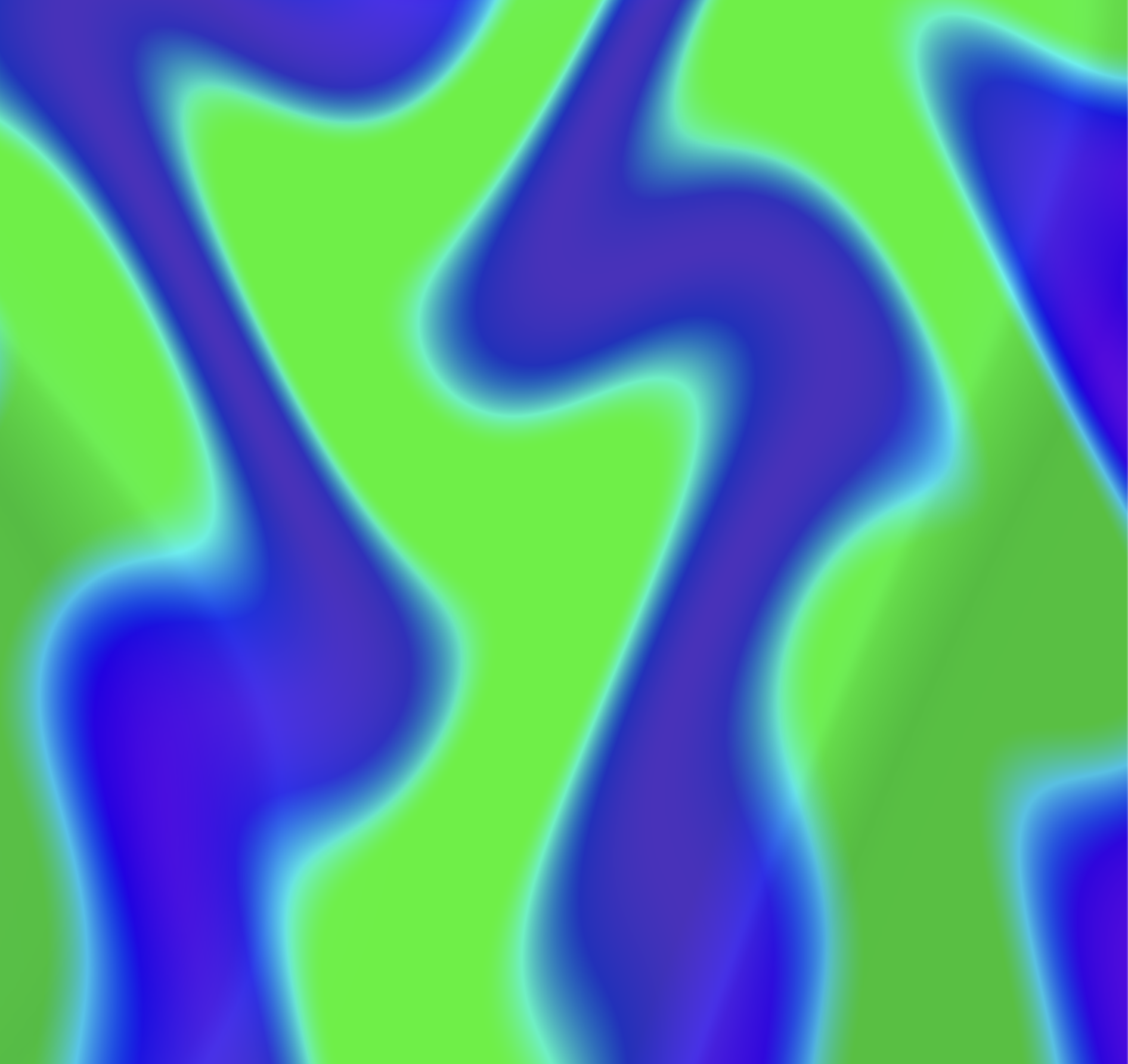
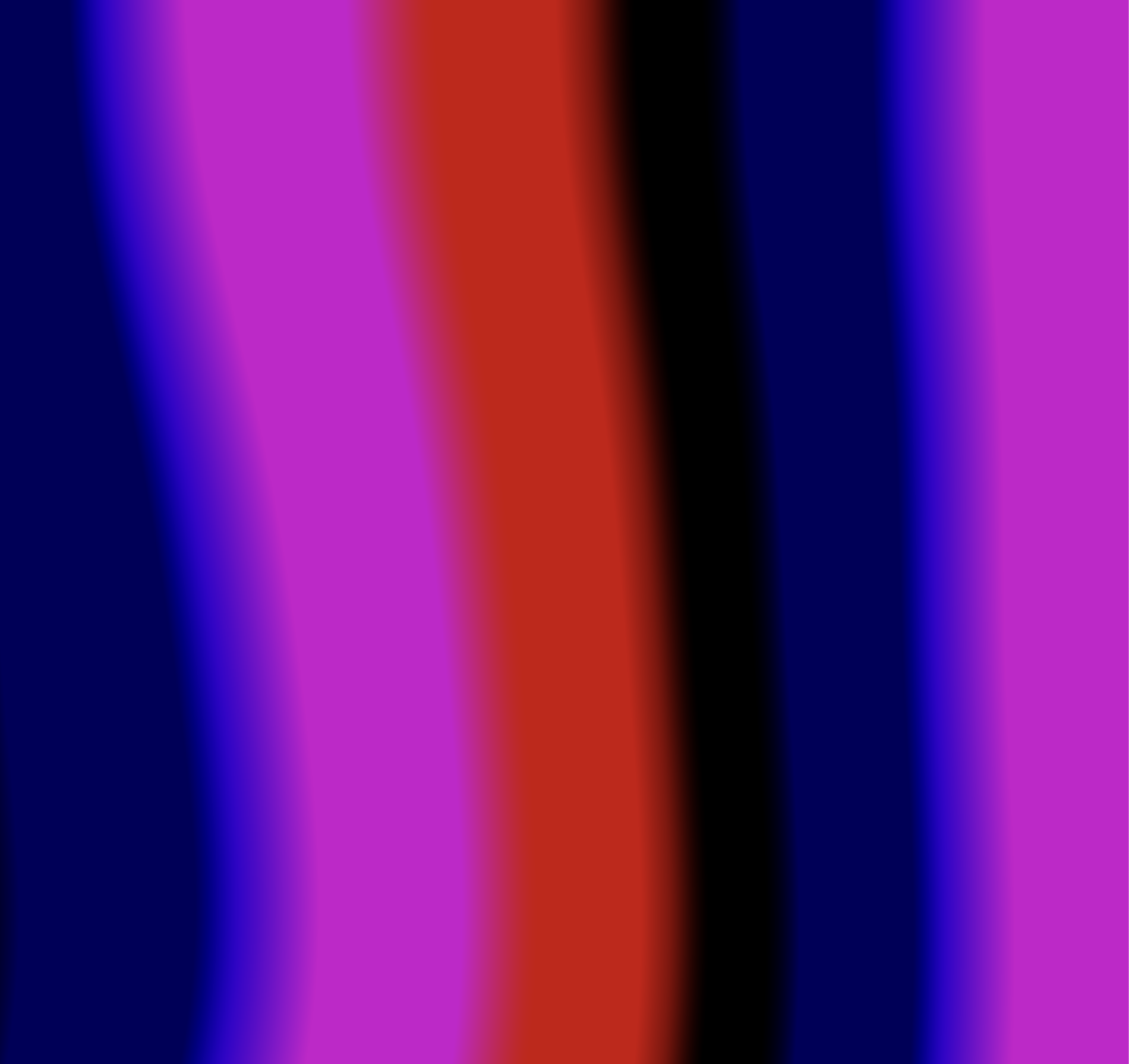
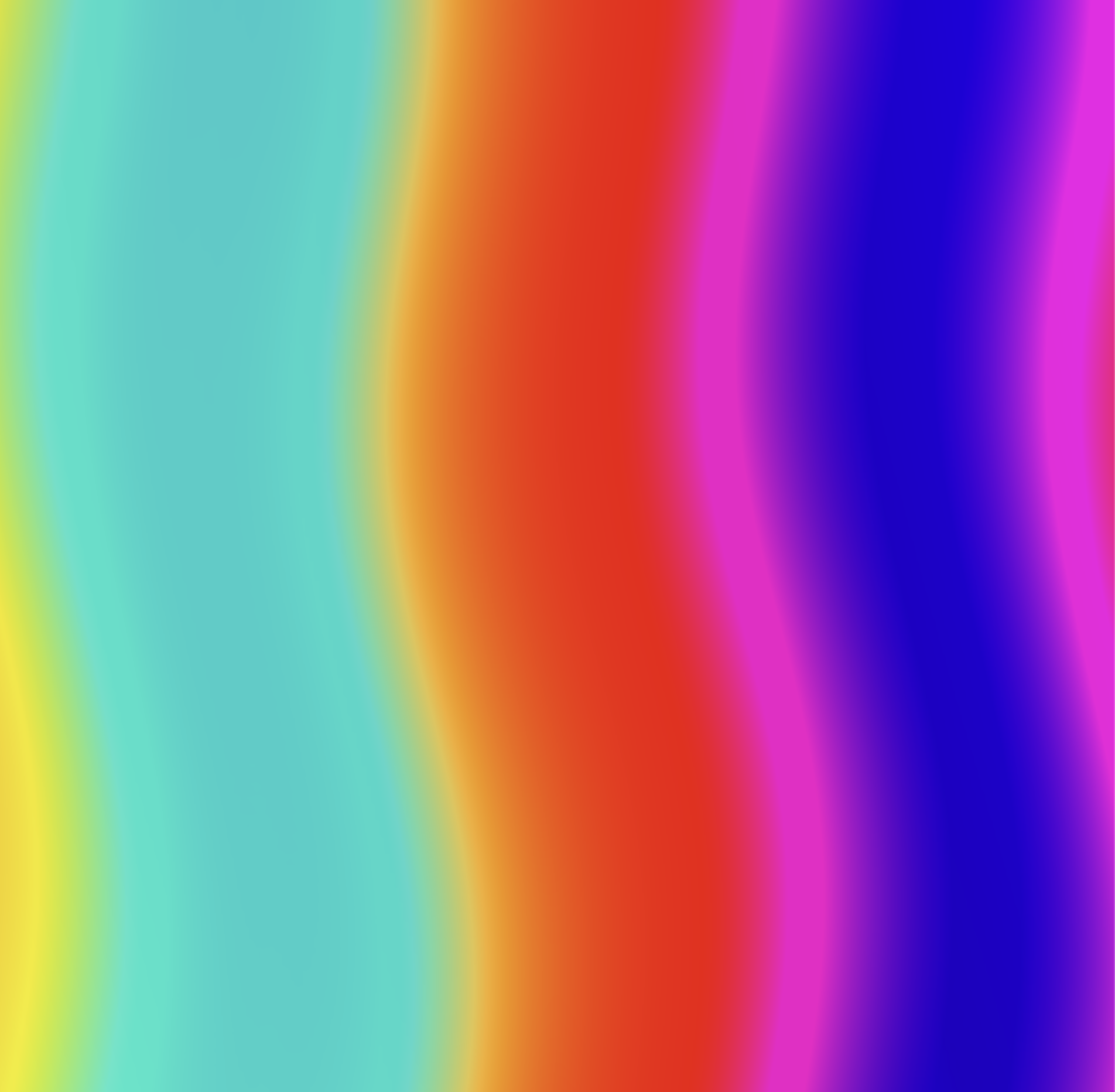
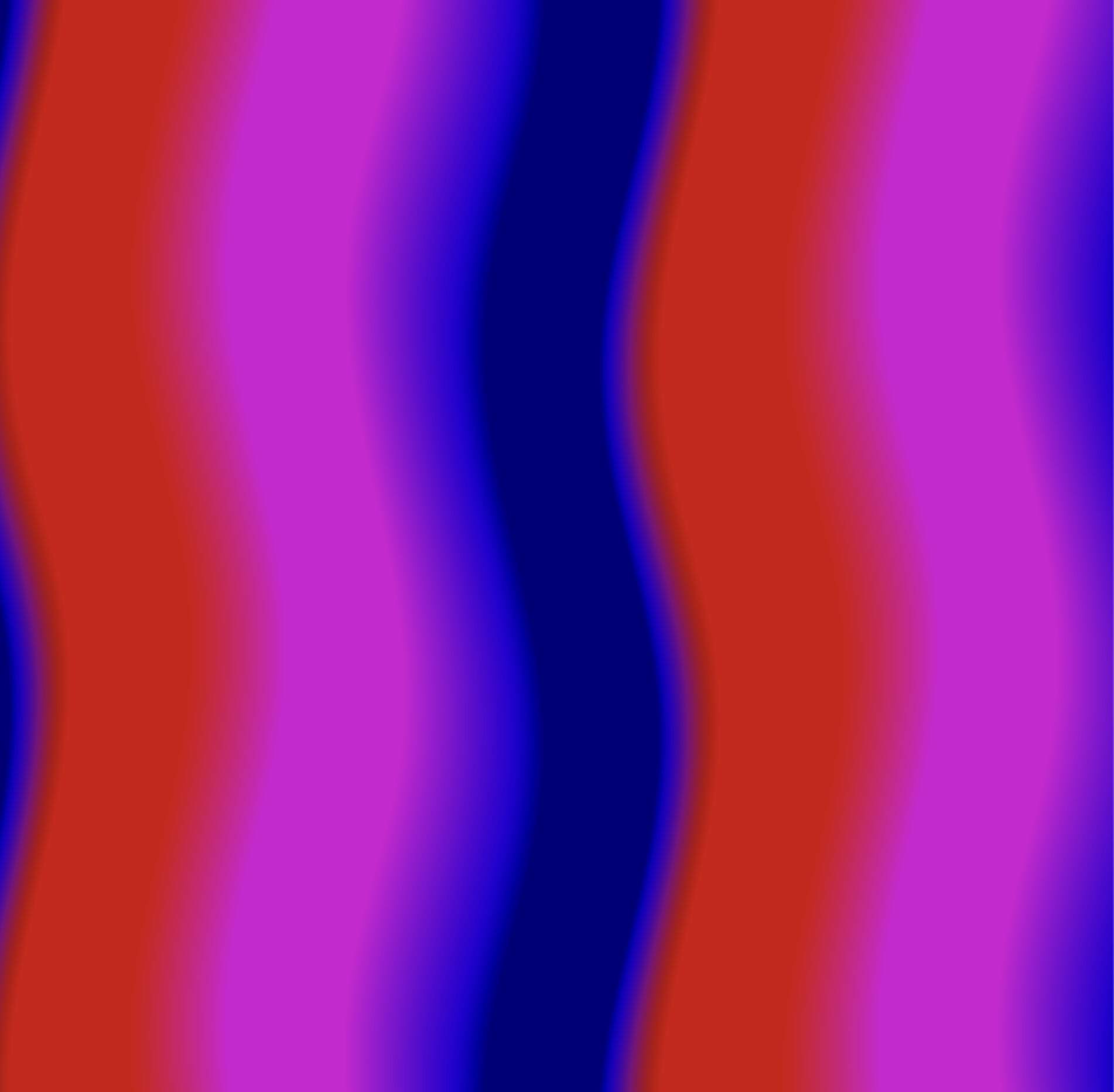
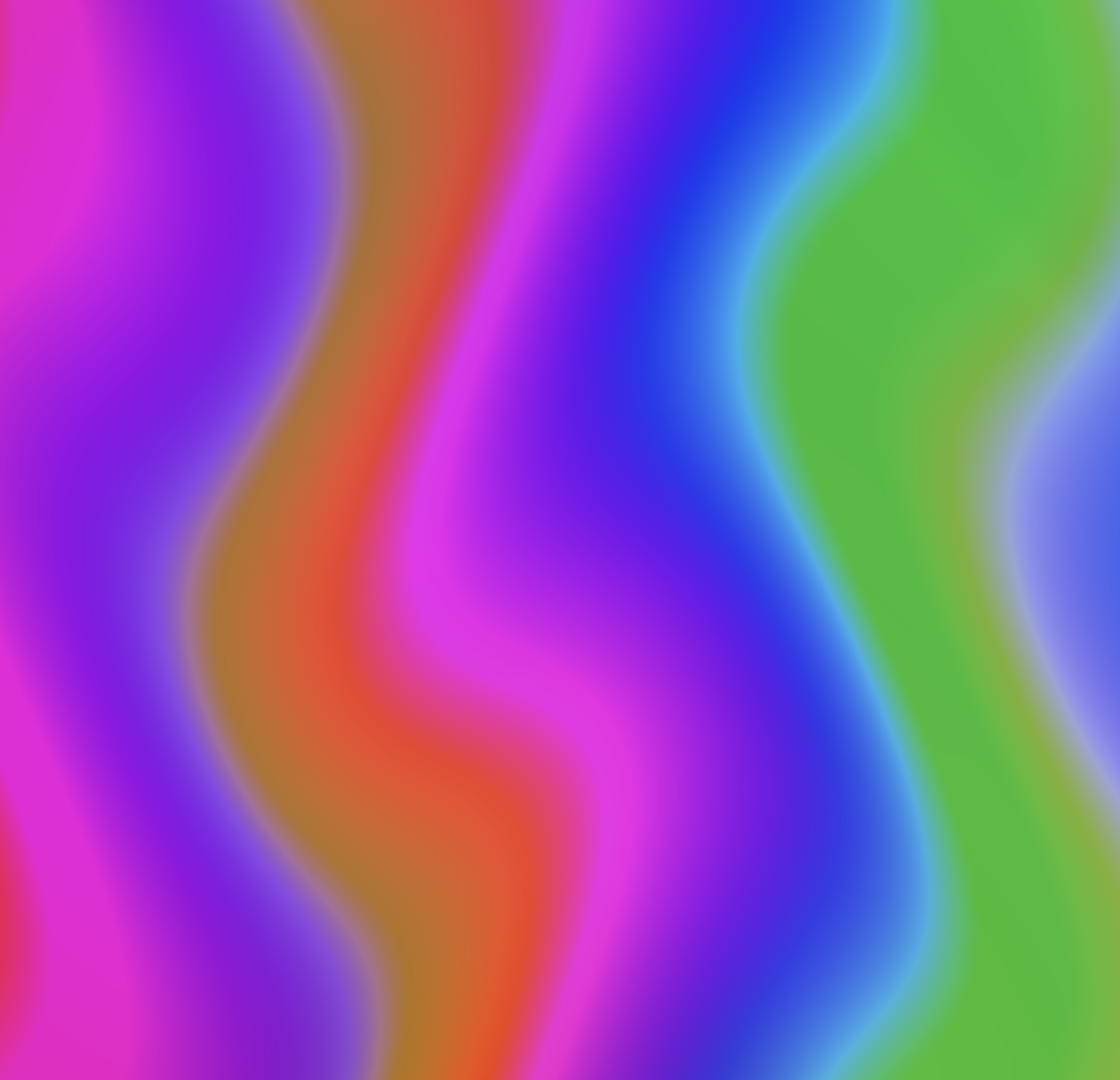
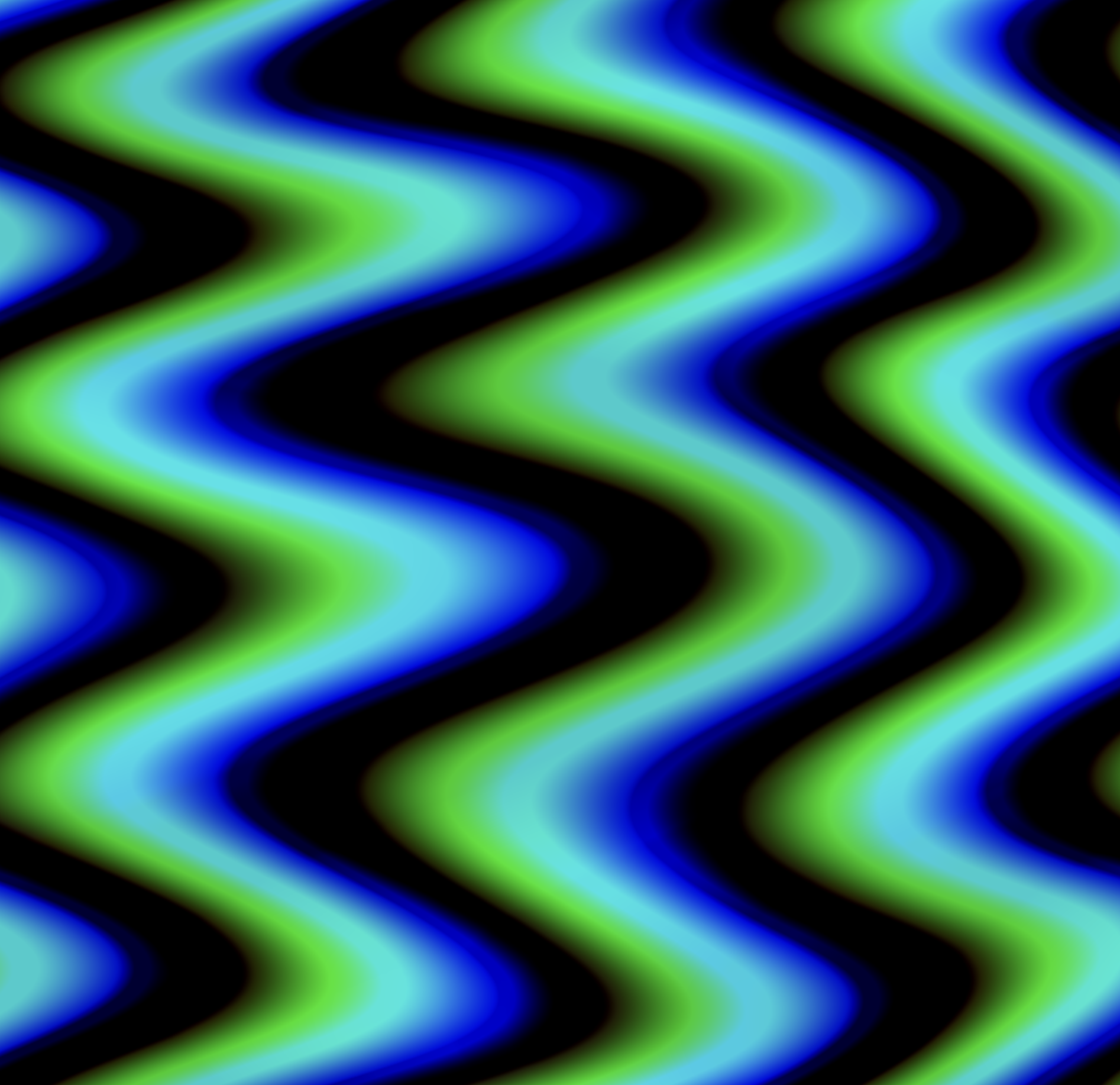
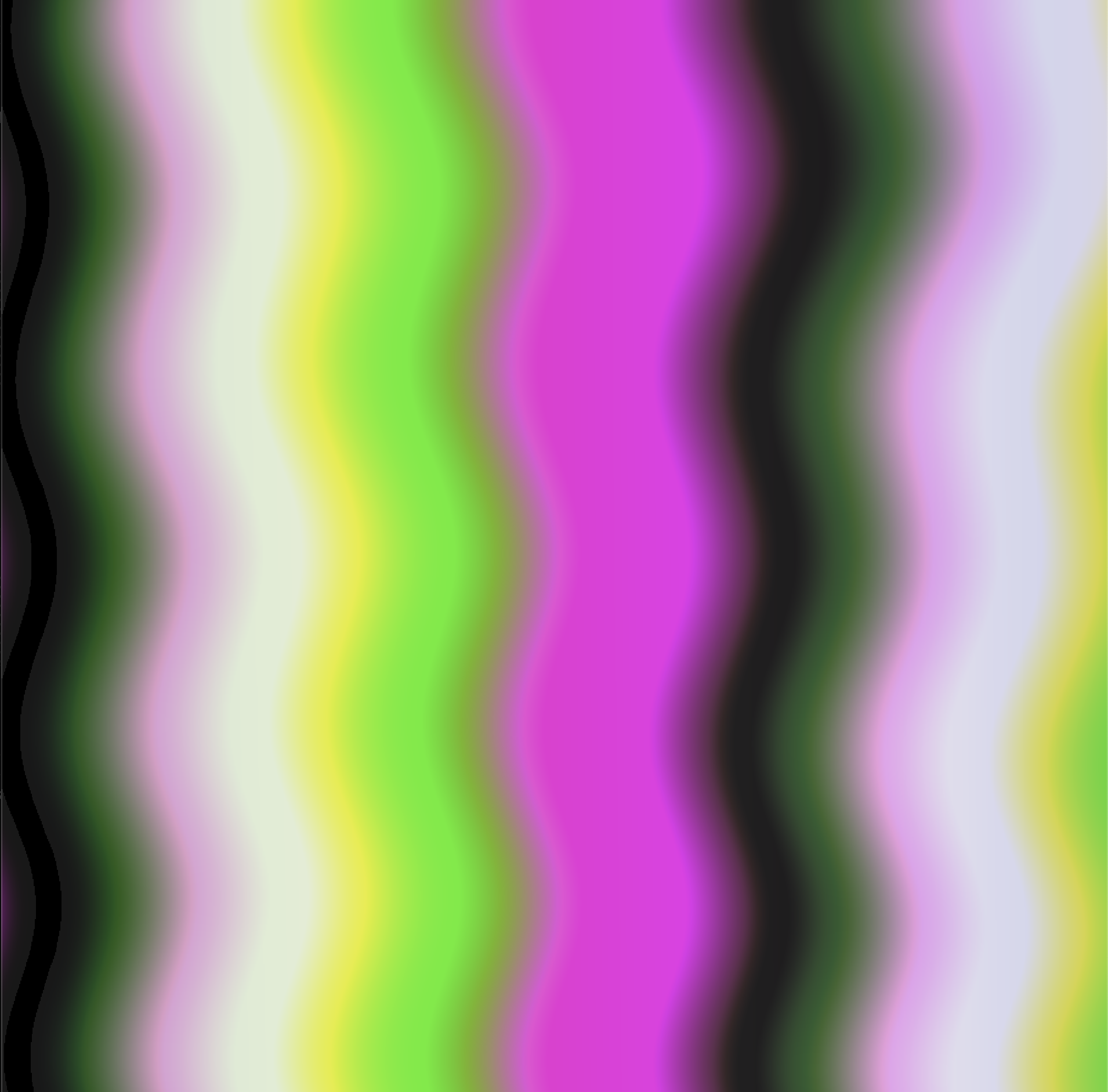
WAV documents four states of sonic matter. The series captures vibration in successive forms — each piece explores a distinct sonic register, a colour, a texture of the wave.
Each piece is a work in its own right — matter put into vibration. Accessible via the WAV Store.
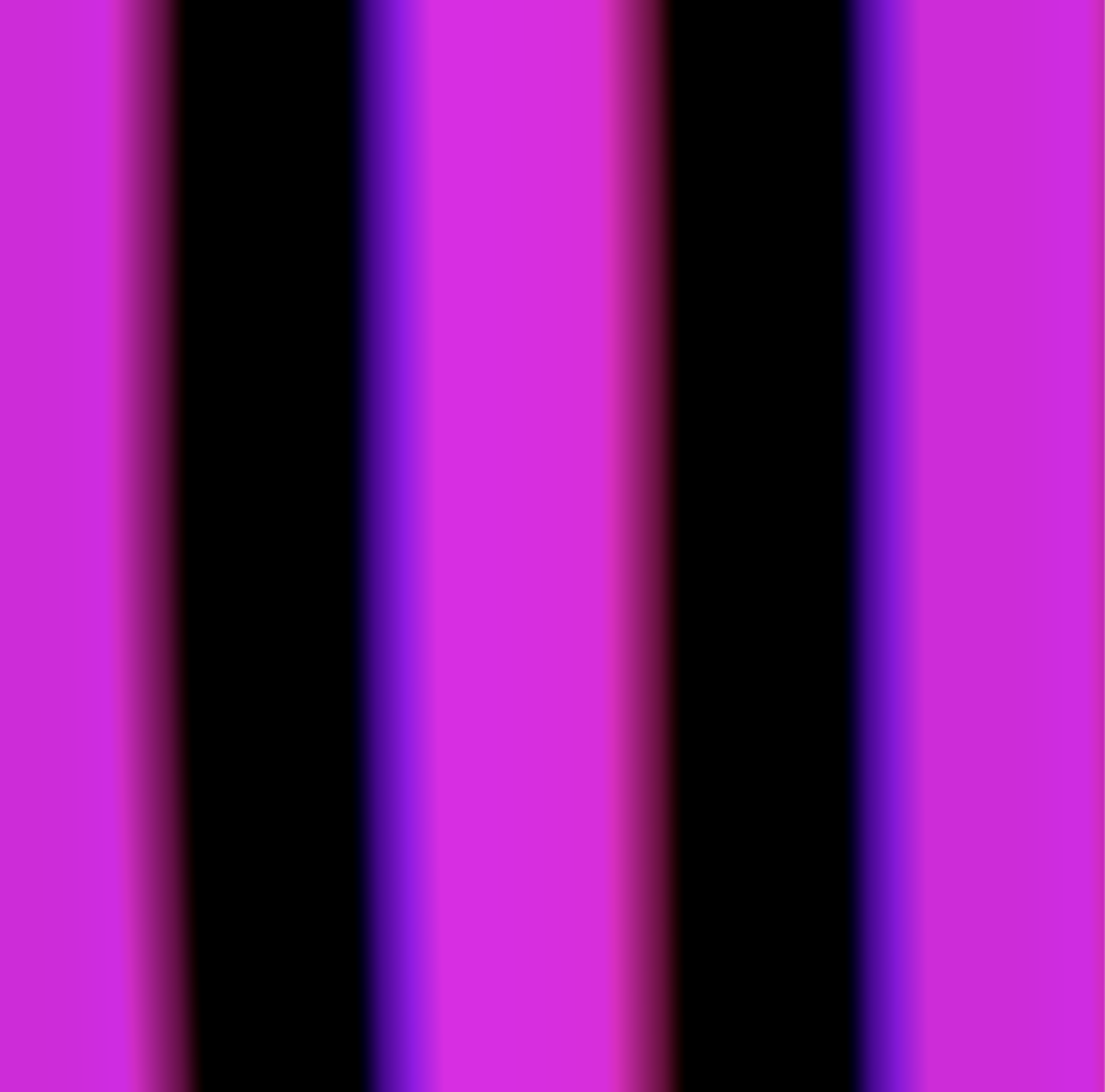

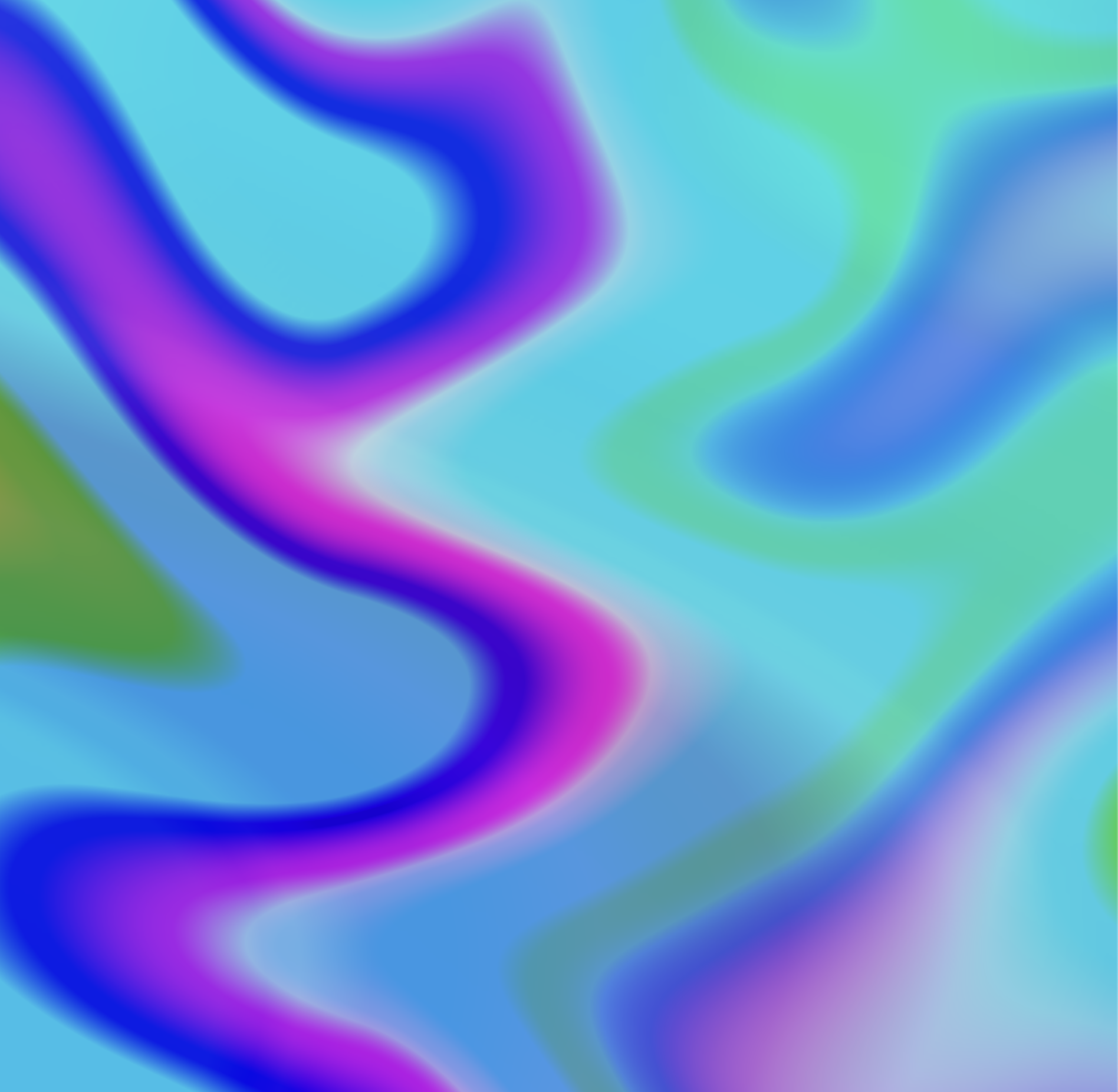
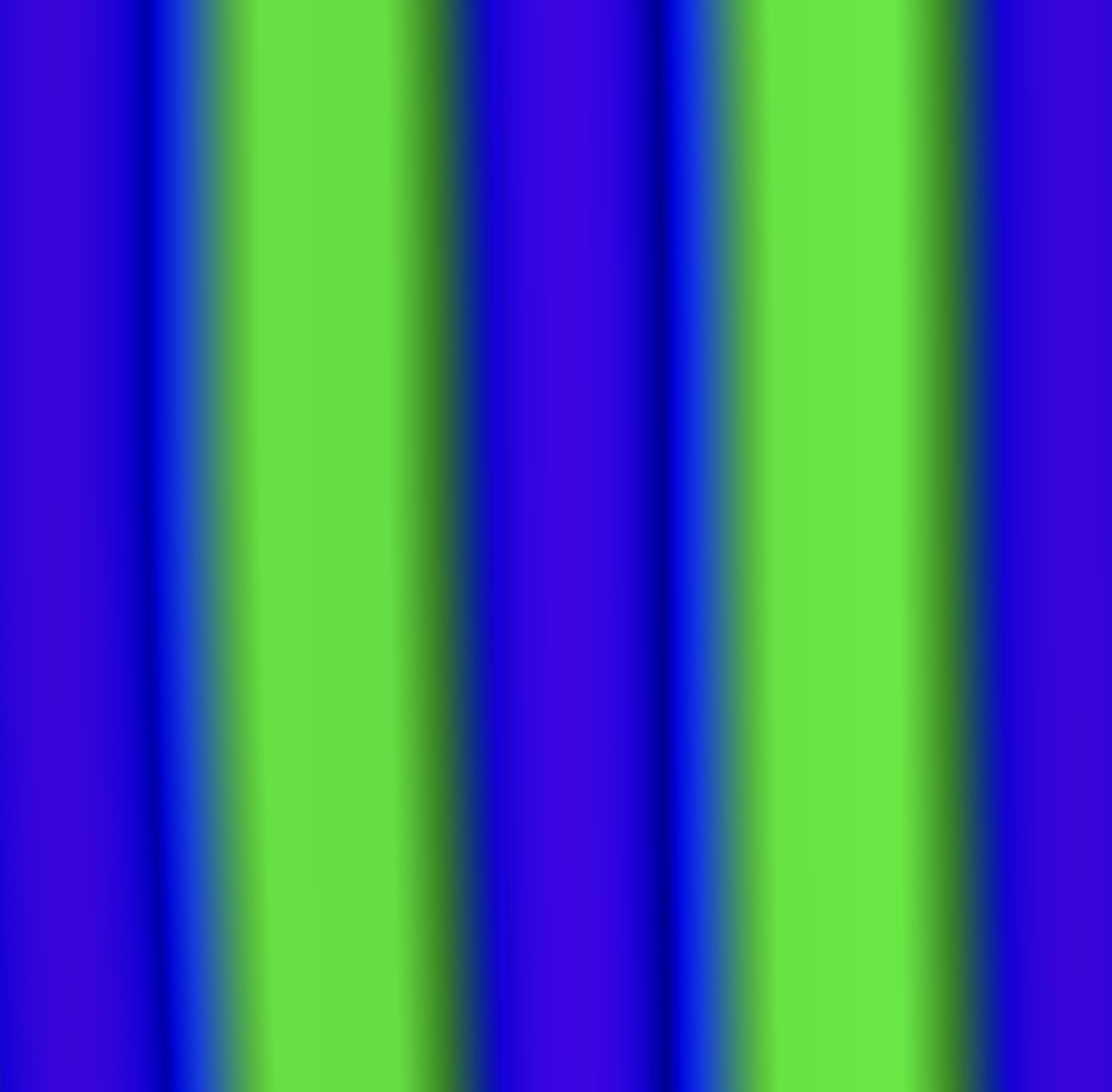
WAV Series 1, 2, 3 and 4 — ronde.paris/wavView artworks →
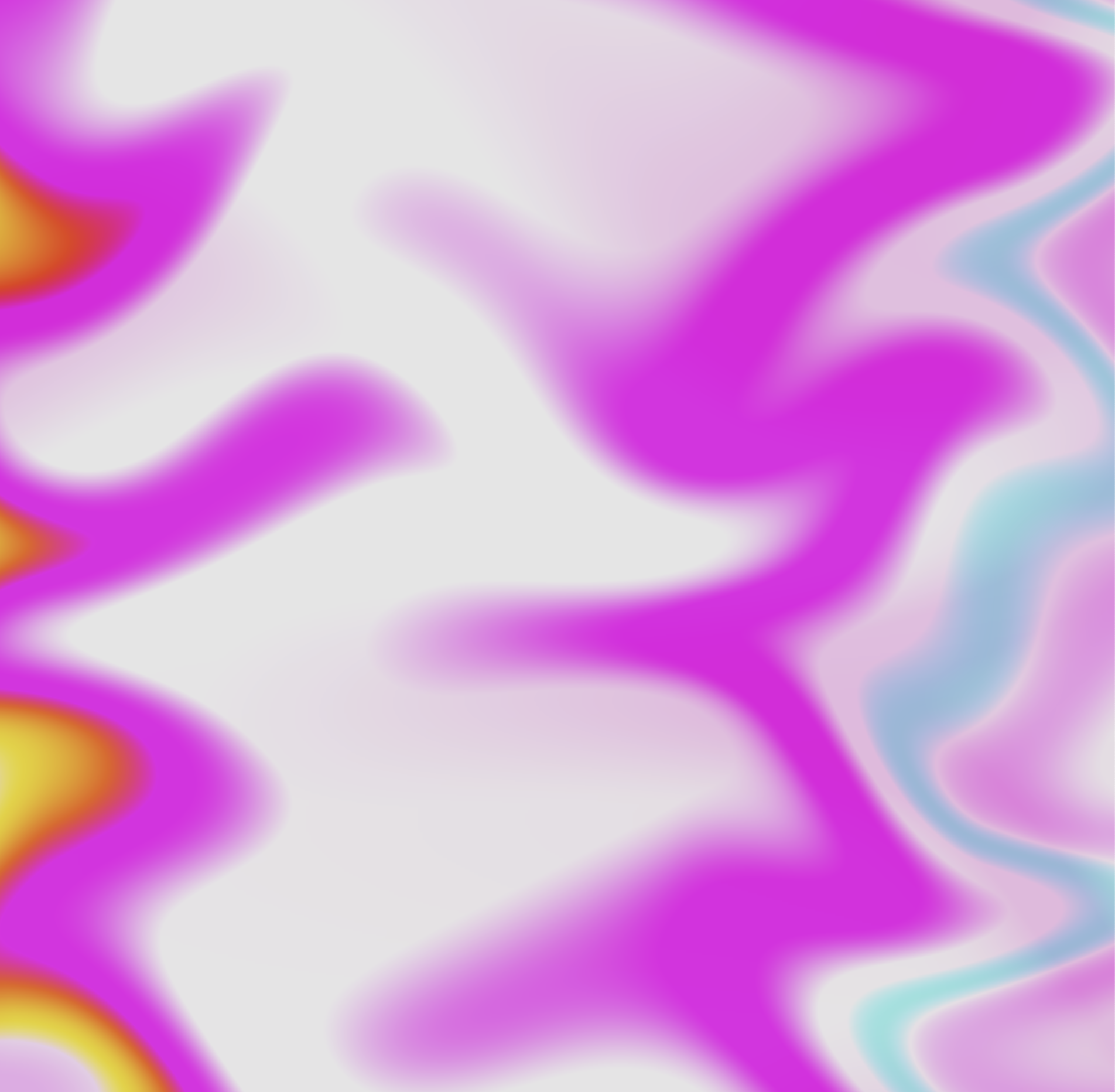

WAV — The Artworksronde.paris/wav
03The Rapport — The mediator
The rapport
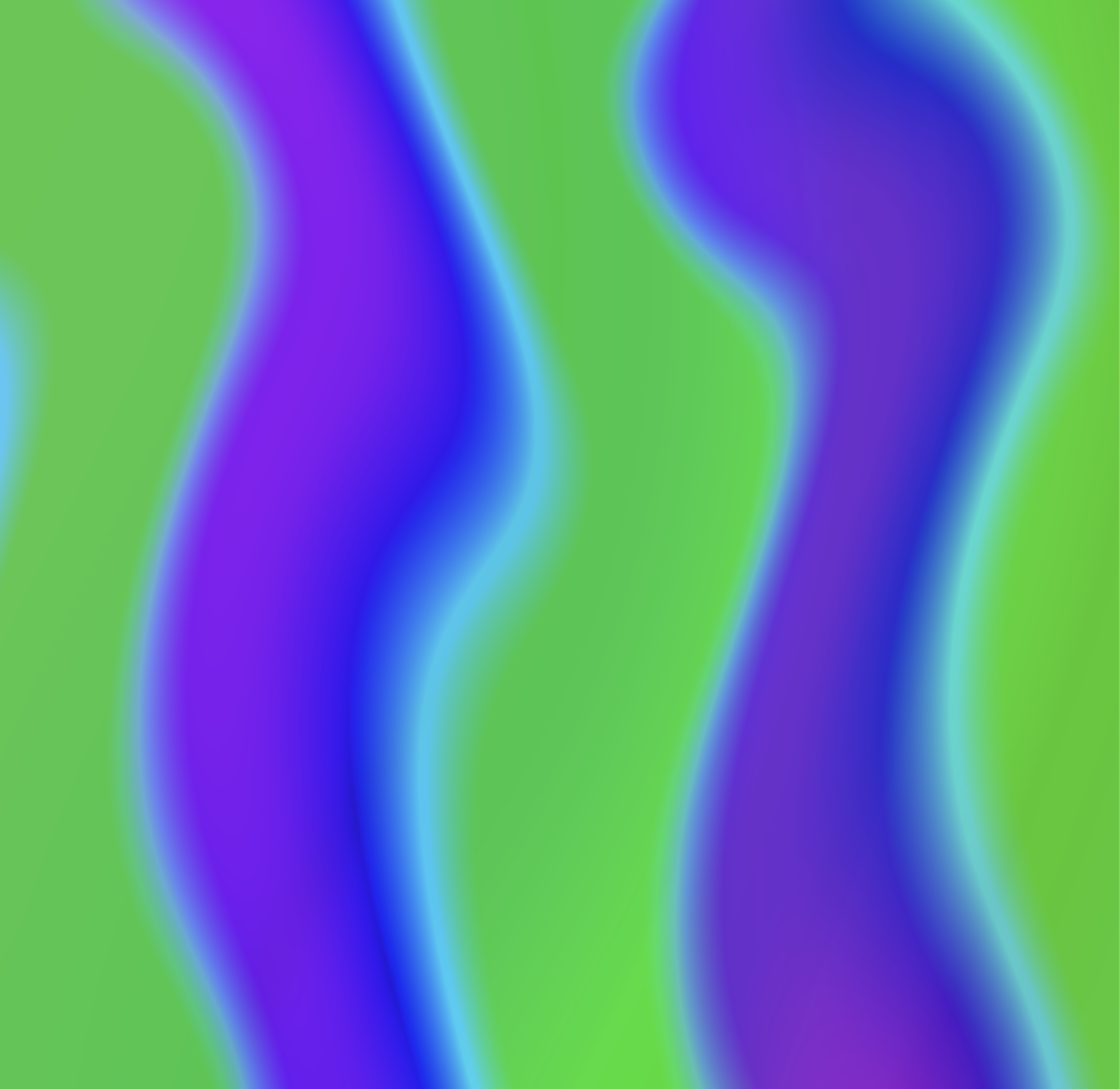
What comes into contact with the work is everything the place emits — the voice, the noise of the street, the breath of whoever approaches. The artwork has no other material than this field.
What everyone already hears, WAV turns into a visible response. The place becomes its own medium — what happens acoustically within it returns to the place as light. Interior and exterior exchange.
The WAV artwork does not actively exist outside of the rapport. Placed in a space, it waits — then it responds. It represents nothing external to itself: it is the place's response to itself, the gap between sound and its luminous form made visible. Each variation transforms it. The work is lived in the instant of its encounter with the environment — not as object facing a subject, but as surface of contact.
This rapport is irreducible. It cannot be frozen — only lived. This is why the WAV artwork is not a fixed image: it is an experience renewed with each return to the space.
The form this light takes is that of a rippling rainbow — the figure of the threshold, the passage between two states. WAV renders sound in this form because sound is itself passage: it crosses walls, bodies, moods. It composes with what it encounters — and it is this power of composition that the artwork makes visible.
04The Passage — The Chromatic Chain
Synesthesia
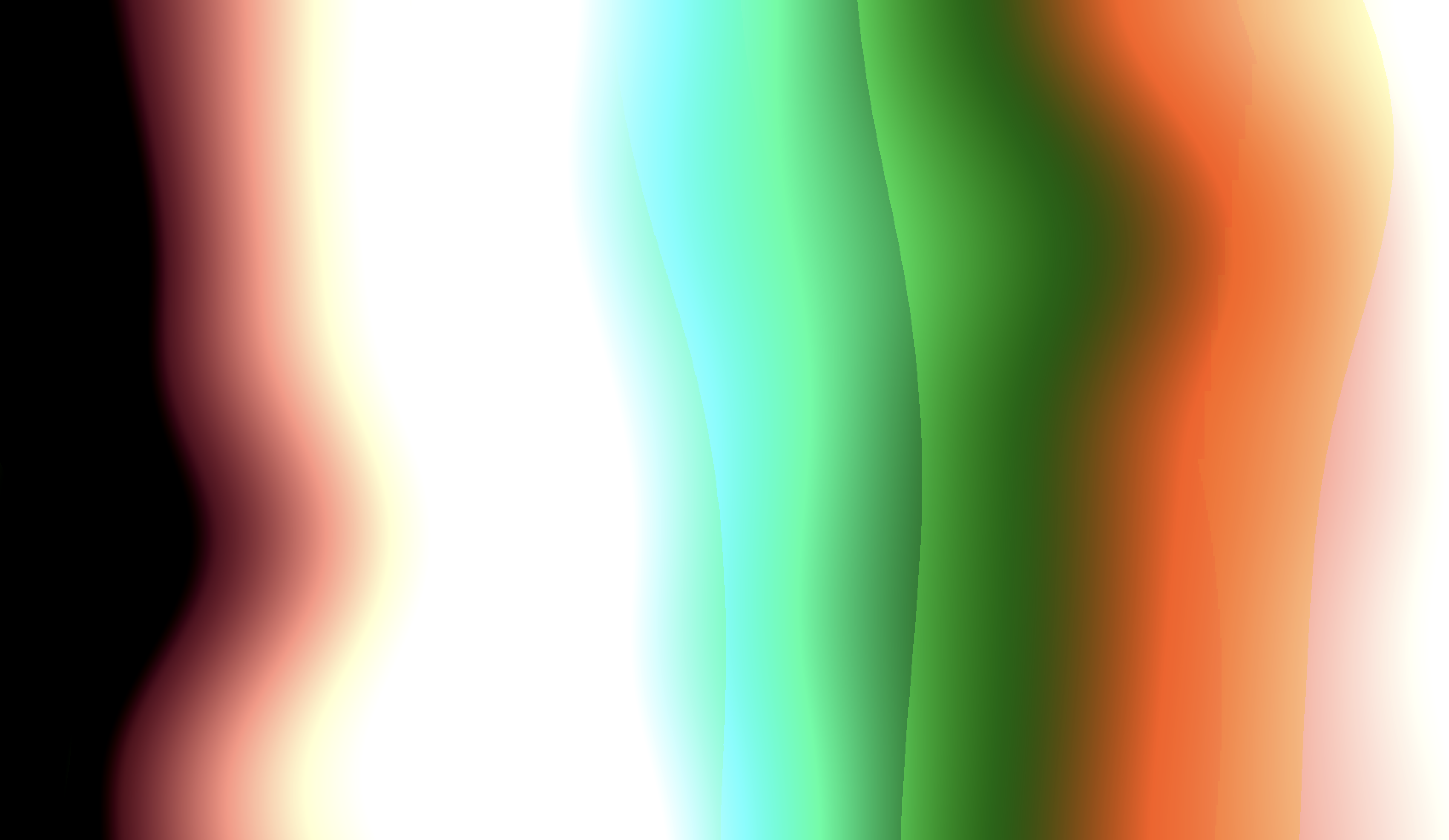
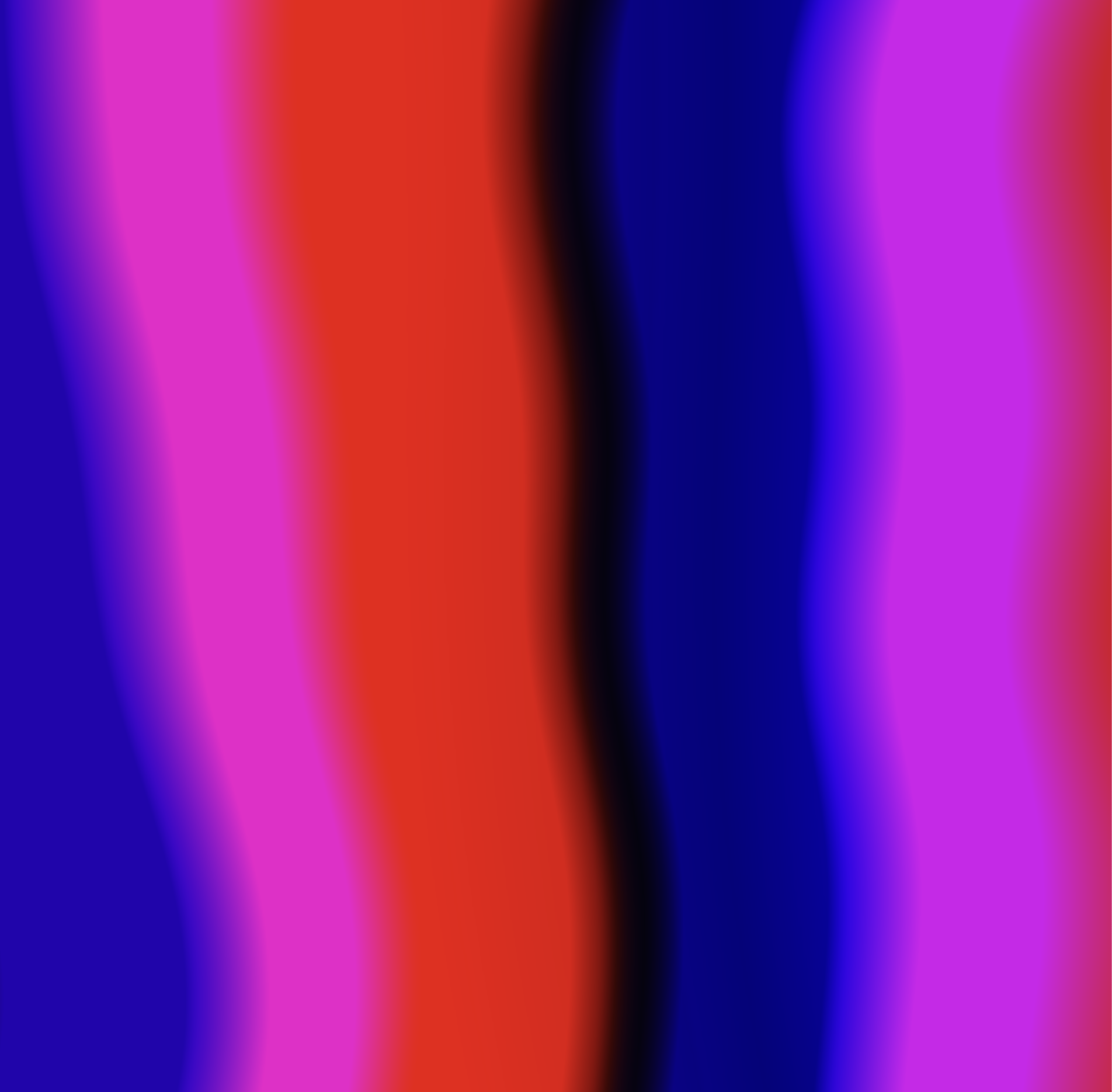
From black to white — sound traverses the spectrumThe spectrum begins in black and ends in white. Between the two: all the colours light can carry.
Colour has a temperature. A quality the body feels before the eye names it — prior to language, inscribed in flesh. Red is heavy, warm, dense. White is cold, taut, at the edge of blinding. Between them, the entire visible spectrum: the full range of states light can traverse.
WAV spreads sonic vibrations across this gradient. The lowest sounds pull towards red — warmth, density, presence. High pitches push towards white — tension, clarity, cold. Each vibration finds its temperature on the spectrum. Low sound is a warm colour. High sound is a cold colour.
When several vibrations sound together, their temperatures mingle. It is not an addition — it is a composition. This polyphony — the chromatic temperature of the wave at the moment of capture — is what persists in the artwork. The image carries the temperature of the wave.
Synesthesia · black — visible spectrum — white.Sonic spectrum translated into light
Components
Noir — infrarouge
Les sons les plus graves plongent dans le noir. Comme l'infrarouge — présent, mais invisible.
Rouge → violet
Le spectre visible, traversé par le son — du grave central à l'aigu du registre ultra.
Blanc — ultraviolet
Les aigus extrêmes blanchissent. Comme l'ultraviolet — au-delà du visible, la couleur s'efface dans la clarté.
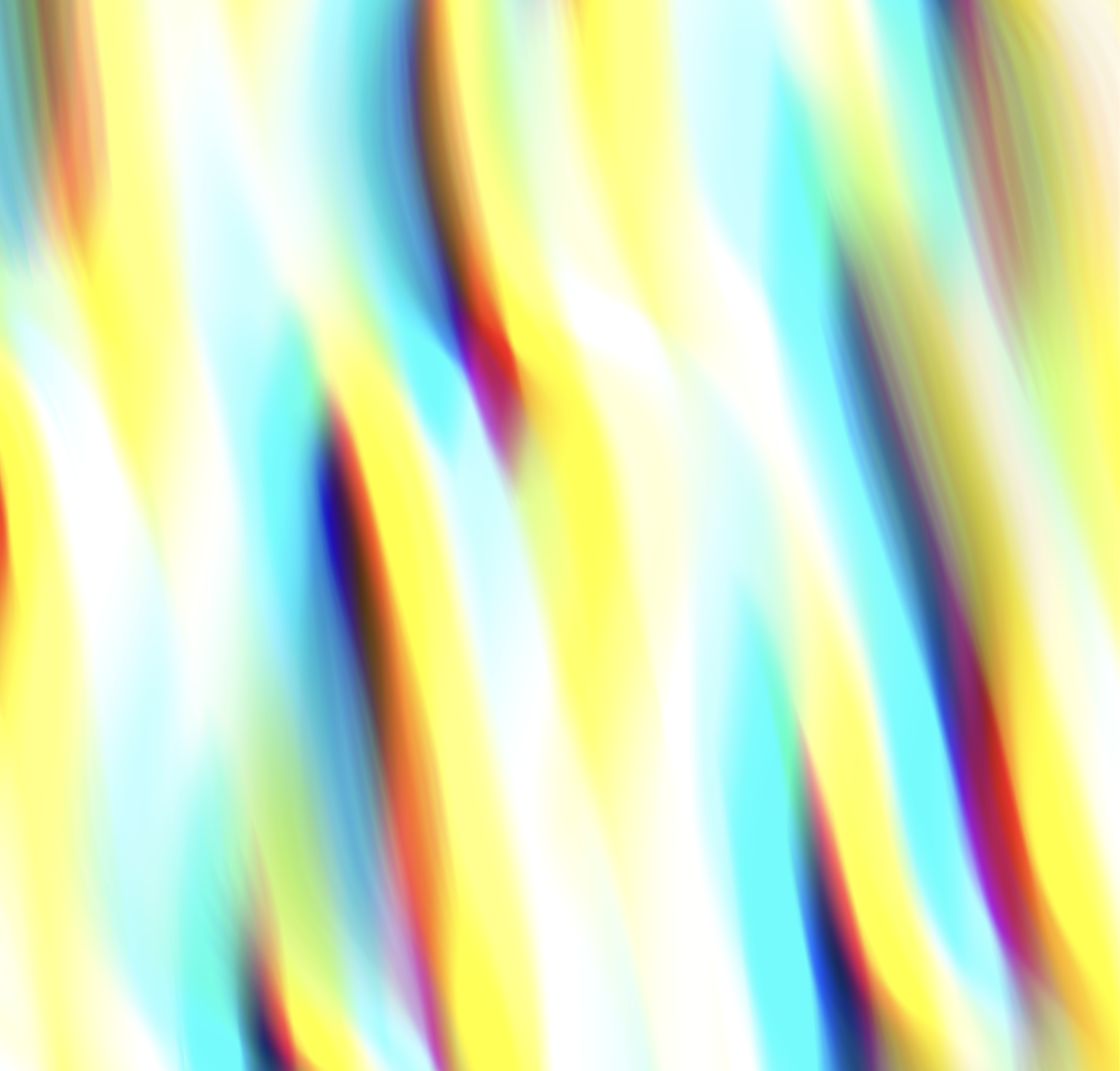
From black to white — infrared · visible spectrum · ultraviolet—
05The Capture — WAV Store Print
The timeline
01The WaveThe sonic event
02The VibrationMatter before the encounter
03The RapportThe wave meets the medium
04The PassageThe traversed state
05The CaptureThe instant seized
Format
- 80 × 80 cm
- 50 × 50 cm
- 30 × 30 cm
- Chaque capture est unique
03
The print
as artistic gesture
The capture is not a reproduction
A catalogue sells copies of existing works. The WAV Store produces new works with each capture — each image is unique, dated, tied to a precise sonic environment that no one else has traversed in the same way.
The print does not archive the artwork. It archives the instant of contact — not the image of the wave, but the resonance it produced, the moment something deepened in someone. One does not capture to share — one captures to inhabit. The image takes its place in private space, and stays there.
The delegated artistic gesture
The user does not consume the work. By capturing the instant, they become its author.
Deciding the moment of capture is deciding the exact state of the wave one fixes. It is an act of composition — an aesthetic decision that passes through the body before passing through the gaze, a gesture accomplished before it is thought. The piece that results belongs to them: they are its author, not its consumer.
LIVE / 01—02Temps réel · entrée microphone
LE SON ENTRE.
LA LUMIÈRE RÉPOND.
Ces deux tableaux ne diffusent pas une vidéo. Leur matière est calculée à chaque instant et se transforme avec les sons qui traversent votre espace.
CC BY-NC-ND 4.0·© 2026 Jordan Olivier — Textes, images et concepts protégés. Reproduction interdite sans autorisation.